Continuous improvement and innovation require consistent effort and engagement, not just sporadic events. While hackathons are beneficial, they are insufficient for cultivating a culture of everyday learning and capability building within your workforce. Today’s dynamic environment demands that organizations’ workforces be prepared for challenges and capable of continuous innovation.
This necessitates a cultural shift, as sustainable innovation and business impact are everyone’s responsibility and should not be limited to a specific group or external consultants.
Data science, supporting innovation, has significantly benefited organizations by extracting valuable business insights from data. However, data scientists alone cannot address continuous innovation challenges. With an estimate of one data scientist for every 2,000 employees in the workforce, relying solely on them for scalable innovative solutions is insufficient.
To foster continuous learning, innovation, and transformation, we must constantly challenge and elevate processes to higher levels of performance. This requires a next-generation workforce and organizations augmented by technology, driven by empathy, and guided by scientific thinking. This approach addresses ever-evolving business challenges and creates positive impacts for organizations and their customers.
We refer to this next-generation workforce as a community of Method Scientists.
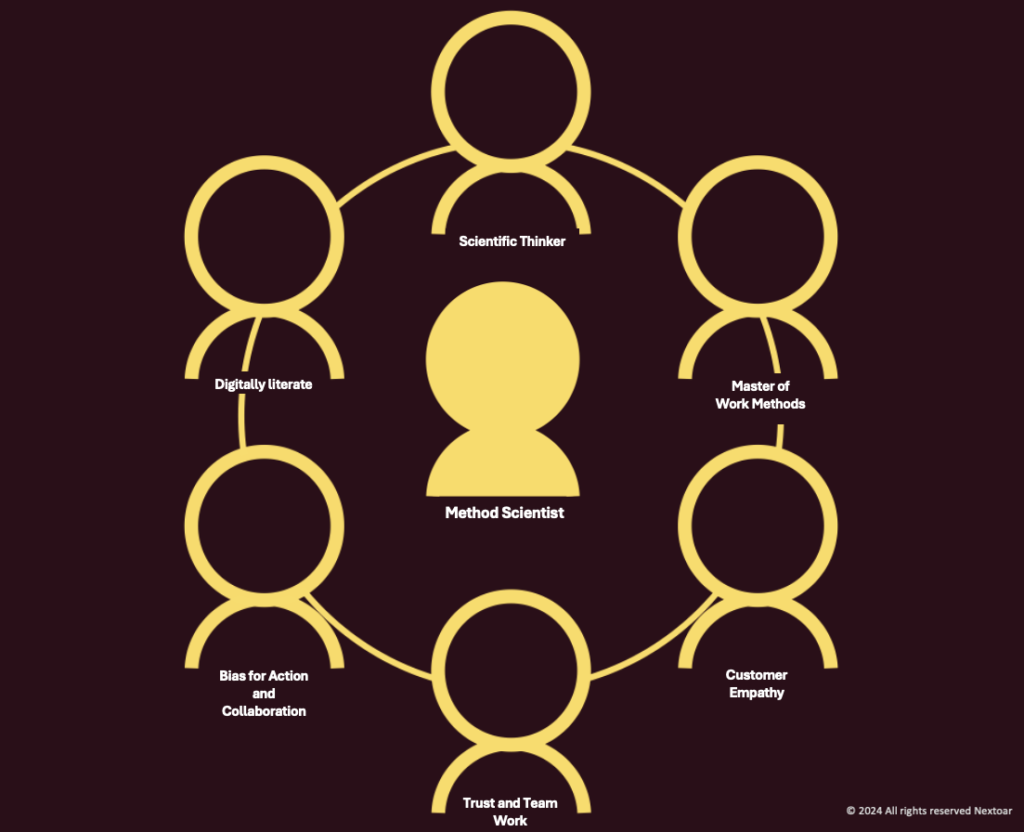
Figure 1 – Skillsets that makes a method scientist
A method scientist is not defined by a specific role but by the capabilities developed, applied to address business challenges, and engaged in continuous feedback loops to learn and improve. This way of working, though uncommon, is not new.
Toyota used similar concepts to build an organisational DNA that generated one million improvement ideas in a year from their workforce. Recent advancements in AI and related technologies allow organisations to accelerate this journey, which took Toyota decades to perfect.
Let us delve deeper into the concept of a method scientist. There are six key themes in terms of skillsets (Refer Figure 1) – three technical skills and three soft skills.
Digital Literacy
– Proficient in using relevant digital tools and applications.
– Interpret, analyse, and leverage data to make informed decisions and solve problems.
– Quickly learn and adapt to new digital tools and technologies.
– Apply critical thinking and problem-solving skills in a digital context to innovate and improve processes.
Scientific Thinking
– Understand the present condition by observing processes and gathering accurate data.
– Hypothesise steps needed to achieve the desired future state and refine approaches based on experimental outcomes.
– Make decisions and adjustments based on experiment results, ensuring continuous improvement.
– Standardize work methods as a baseline for further experimentation and improvement, promoting stability and innovation.
– Incorporate root cause analysis to ensure actions address fundamental issues.
Master of Work Methods
– Possess an extensive understanding of the process, including method, systems, sequence, content, timing, and outcome.
– Demonstrate high proficiency in specific tasks and activities involved in the process.
– Continuously seek out new methods and technologies to enhance the process.
– Understand how the process fits into broader organisational goals and strategy.
Empathy Towards Customers (Internal/External)
– Listen carefully to customers’ concerns and needs, ensuring they feel heard and understood.
– Promptly address customer inquiries and issues, demonstrating their satisfaction is a priority.
– Understand and address the unique challenges and needs of customers, ensuring their success and satisfaction.
Trust and Teamwork
– Encourage team members to share thoughts, concerns, and mistakes without fear of judgment, fostering a culture of honesty and transparency.
– Promote an environment where team members support each other, recognising vulnerability as a strength that builds deeper connections and trust.
– Encourage constructive feedback, helping team members grow and improve together through shared learning experiences.
– Emphasise collective responsibility for successes and failures, ensuring everyone feels equally invested in achieving team goals.
Bias for Action and Collaboration
– Take initiative and act decisively to move projects forward without unnecessary delay.
– Focus on finding practical solutions and making progress, rather than getting bogged down by analysis paralysis.
– Collaborate across different functions and departments, leveraging diverse perspectives and skills to achieve common goals.
These capabilities must be cultivated at all levels, particularly at the edges of the organization, which include the frontline workers operating outside carpeted area of office space, such as on factory floors, in mines, in retail spaces etc.
What do organizations need to develop these capabilities across their workforce? We will explore these requirements in greater detail in the next write-up.